By Michael Ruger, CFP®
Partner and Chief Investment Officer at Greenbush Financial Group
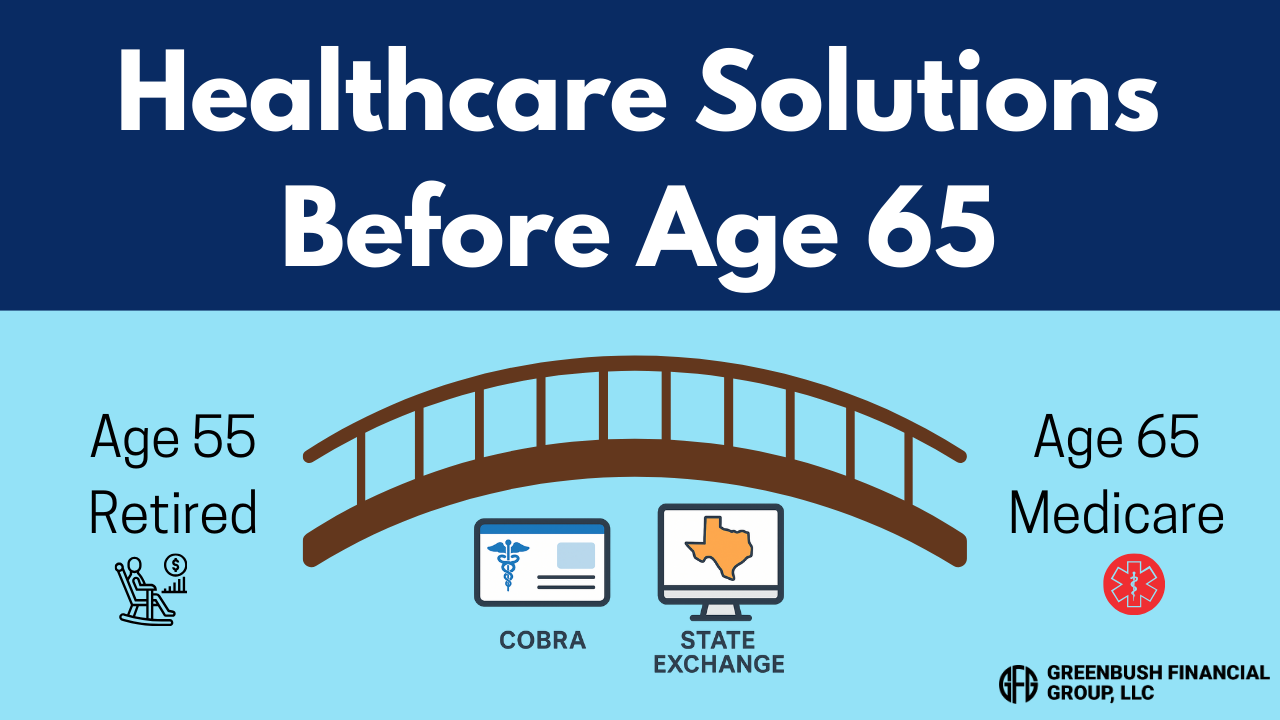
One of the biggest challenges for individuals planning to retire before age 65 is how to pay for health insurance until Medicare kicks in. Unlike employer coverage, which often subsidizes a large portion of the premium, individual coverage can be expensive—and health care costs are a major factor in determining if early retirement is financially feasible.
In this article, we’ll explore:
Health insurance through the Affordable Care Act (ACA) exchange and how subsidies work
COBRA coverage as a temporary option and how rules vary by state
Coverage through a spouse’s employer and how to coordinate benefits when one spouse retires
Using a Health Savings Account (HSA) to fund health care expenses before Medicare
Why income planning is critical when considering exchange subsidies
How “Navigators” can help retirees select the right plan
The importance of planning ahead before you retire
Exchange Policies: Income-Based Subsidies
The ACA exchange (also known as the marketplace) provides health insurance options that may be more affordable than people realize—thanks to premium tax credits and cost-sharing subsidies.
Here’s the key: Subsidies are based on income, not assets.
This means someone could have $1 million in investment / retirement accounts but report relatively low taxable income and still qualify for significant subsidies. For example, if you live primarily off savings or manage withdrawals from retirement accounts strategically, you may qualify for much lower premiums.
Planning Tip: Since subsidies are income-driven, managing taxable income (through Roth conversions, tax-efficient withdrawals, or capital gains planning) is a crucial part of retirement planning before age 65.
COBRA Coverage
Another option to bridge the gap is COBRA coverage from your former employer. COBRA allows you to continue your existing employer plan, typically for 18 months, but in some cases longer depending on state laws.
The downside? Cost. Under COBRA, you generally pay the full premium plus a 2% administrative fee, which can be much higher than what you were used to as an active employee.
Coverage Through a Spouse’s Employer
If your spouse is still working, you may be able to join their employer-sponsored health plan. This option is often less expensive than COBRA or the exchange, and employers usually subsidize a portion of the premium for dependents.
When one spouse retires, it’s important to notify the employer and coordinate the change in coverage. Many plans allow special enrollment when a spouse loses employer-sponsored insurance, so timing the switch correctly is key.
Using a Health Savings Account (HSA)
If you’ve been contributing to an HSA during your working years, this account can be a valuable bridge for health care costs before Medicare.
HSAs allow you to withdraw funds tax-free for qualified medical expenses, including insurance premiums for COBRA or Medicare.
Unlike Flexible Spending Accounts (FSAs), unused HSA funds carry over year to year, making them an effective tool for pre-retirement savings.
By banking HSA contributions in your working years, you give yourself more flexibility to cover early-retirement health care costs.
The Financial Planning Perspective
Health care is often the largest expense for retirees before Medicare eligibility. When building your retirement income plan, ask:
How much will insurance cost under COBRA, a spouse’s plan, or the exchange?
How much taxable income do you plan to show in early retirement, and will it affect exchange subsidies?
Do you have HSA funds available to offset these costs?
How long will you need coverage before Medicare (just a few years or more than a decade)?
The answers to these questions directly impact whether early retirement is financially realistic.
Exchange Navigators: Help at No Cost
Not everyone feels comfortable navigating the ACA exchange on their own. Fortunately, each state has navigators—trained professionals who help individuals understand their health coverage options and available subsidies.
These navigators are state-funded, so their services come at no additional cost to you. If you’re considering exchange coverage, speaking with a navigator can help ensure you’re getting the right plan and maximizing subsidies.
Planning Ahead Is Critical
One of the biggest mistakes we see is individuals retiring without a plan for health insurance. Waiting too long to assess the various options can lead to gaps in insurance, higher premiums, or missed opportunities for subsidies.
Planning ahead allows you to:
Time your retirement date with coverage options
Estimate premiums under different income scenarios
Decide between COBRA, a spouse’s plan, or the exchange
Maximize tax strategies to reduce costs
Key Takeaways
Retiring before 65 requires a clear plan for health insurance until Medicare.
The ACA exchange offers income-based subsidies, making taxable income planning essential.
COBRA coverage can provide continuity but is usually expensive
If your spouse is still working, joining their plan may be the most cost-effective bridge.
HSAs are a powerful tool to fund health insurance and medical costs pre-Medicare.
Use navigators for guidance on exchange policies and subsidies.
Start planning health coverage well before your retirement date to avoid costly surprises.
Health care is one of the biggest financial considerations for early retirees. By planning ahead, you can bridge the gap to Medicare while keeping costs manageable—and retire with peace of mind.

About Michael……...
Hi, I’m Michael Ruger. I’m the managing partner of Greenbush Financial Group and the creator of the nationally recognized Money Smart Board blog . I created the blog because there are a lot of events in life that require important financial decisions. The goal is to help our readers avoid big financial missteps, discover financial solutions that they were not aware of, and to optimize their financial future.
Frequently Asked Questions (FAQs)
What are the main health insurance options for early retirees before Medicare?
Common options include coverage through the Affordable Care Act (ACA) exchange, COBRA from a former employer, or joining a spouse’s employer-sponsored plan. Each option varies in cost, duration, and flexibility, depending on your income and household situation.
How do ACA exchange subsidies work for retirees?
Premium subsidies under the ACA are based on taxable income, not total assets. Retirees who manage withdrawals from retirement accounts strategically can often qualify for significant premium reductions, even with substantial savings.
Is COBRA a good option for early retirees?
COBRA allows you to stay on your former employer’s plan for up to 18 months (depending on state law), maintaining the same coverage. However, you must pay the full premium plus a small administrative fee, which can make it one of the more expensive options.
Can I use my spouse’s health insurance if I retire early?
Yes. If your spouse continues to work, you may be eligible to join their employer-sponsored plan. This is often more affordable than COBRA or an ACA plan, especially since many employers subsidize dependent coverage.
How can a Health Savings Account (HSA) help cover pre-Medicare costs?
Funds in an HSA can be withdrawn tax-free for qualified medical expenses, including COBRA and Medicare premiums. Building up HSA savings before retirement can provide a valuable source of tax-efficient funds to cover healthcare costs.
Why is income planning so important for ACA subsidies?
Since exchange subsidies are income-based, managing distributions from taxable retirement accounts, or capital gains planning, can dramatically lower your health insurance premiums in early retirement.
What are ACA “navigators,” and how can they help?
Navigators are trained, state-funded professionals who help individuals compare ACA plans and determine eligibility for subsidies. Their services are free and can simplify selecting the most cost-effective coverage for your situation.