Learn how spousal IRA contributions work in 2026, including contribution limits, Roth IRA income rules, Traditional IRA deductions, and common mistakes couples should avoid.
Learn how an ESOP works, how employees receive company stock, how ESOP shares are valued, diversification rules, and what happens to your ESOP when you retire or leave your employer.
A Backdoor Roth IRA can help high-income earners build tax-free retirement savings, but mistakes with the pro-rata rule, IRA balances, Form 8606, and conversion timing can create unexpected taxes. Learn the most common mistakes to avoid.
How long does it take to build a $1 million Roth IRA? See how a 22-year-old investing $7,500 per year could potentially become a Roth IRA millionaire, and how compounding could turn $1 million into $2 million and beyond.
What if the goal of retirement planning wasn’t to stop working, but to make work optional? Explore the financial, social, and personal benefits of continuing to work after reaching financial independence—and why the traditional retirement path may not be right for everyone.
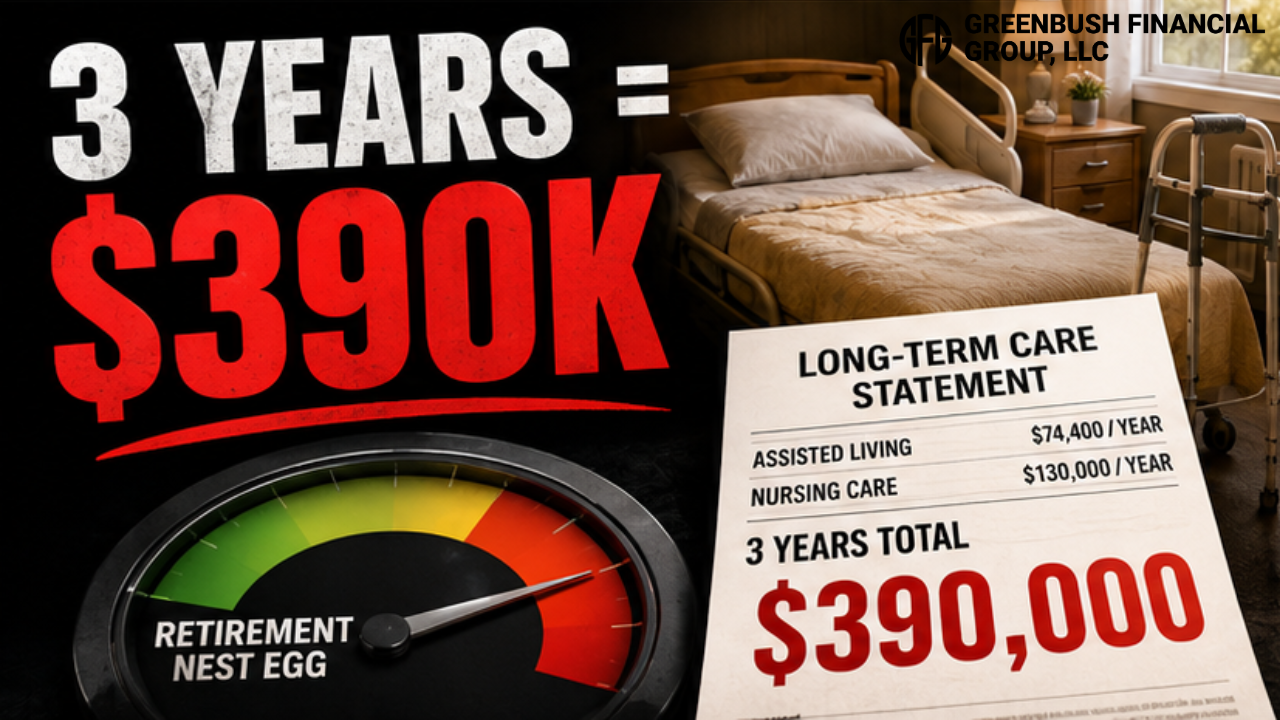
Long-term care can cost $75,000 to more than $125,000 per year. Learn how to prepare for these expenses while protecting your spouse, retirement income and estate.
Your children don't need to know every detail of your finances, but they should know enough to step in when needed. Here's what to share about accounts, estate documents, key contacts and financial responsibilities.
Some financial decisions become more difficult as you get older. From simplifying accounts and tax planning to housing and estate decisions, here are important choices to consider before age 75.
How much cash should you keep in retirement? Learn why 12 to 24 months of planned portfolio withdrawals may be a better starting point than keeping years of total expenses in cash.
The first decade of retirement offers some of your greatest opportunities. Learn the most common regrets retirees share and how thoughtful planning can help you avoid them.
Retirement planning becomes more complex as income, taxes, Social Security, healthcare, and withdrawals begin working together. Learn the signs that professional coordination may help reduce costly mistakes.
Many surviving spouses are surprised to learn that taxes can increase after a spouse dies, even when household income declines. Learn why the widow's tax penalty occurs and the strategies that may help reduce its impact.
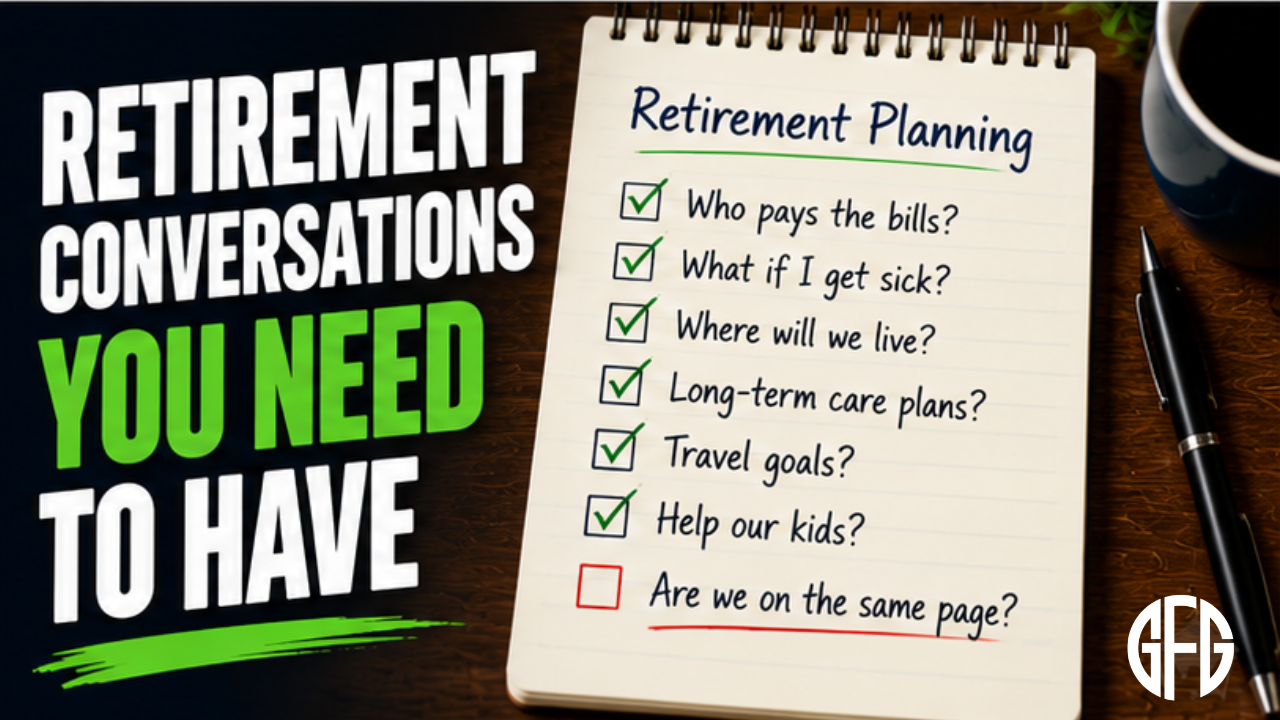
Retirement planning isn't just about saving money. Learn the essential conversations every couple should have about finances, healthcare, spending, and legacy before life forces difficult decisions.
Retirement planning becomes more complex as income, taxes, Social Security, healthcare, and withdrawals begin working together. Learn the signs that professional coordination may help reduce costly mistakes.
Retirement planning becomes more complex as income, taxes, Social Security, healthcare, and withdrawals begin working together. Learn the signs that professional coordination may help reduce costly mistakes.
Many couples plan carefully for retirement together but overlook the financial realities of retirement alone. Learn how survivor Social Security benefits, taxes, healthcare costs, and estate planning can impact a surviving spouse.
Many retirees prioritize safety after leaving work, but being too conservative can create risks of its own. Learn how inflation, longevity, and portfolio growth affect long-term retirement income.
Should you retire at 62, 65, or 67? The answer involves much more than Social Security. Learn how healthcare costs, taxes, Roth conversions, and portfolio withdrawals can influence the best retirement age for your situation.
How much can you safely spend in retirement without running out of money? Learn how withdrawal rates, Social Security, taxes, and inflation work together to determine your sustainable retirement income.
Social Security spousal and survivor benefits can significantly impact retirement income for married couples. Learn the key rules, claiming strategies, and common mistakes that can affect lifetime benefits and financial security.