The Impact of Inflation on Stocks, Bonds, and Cash
The inflation fears are rising in the market and we are releasing this video to help you to better understand how inflation works and the impact that is has on stock, bonds, and cash. In this video we will go over:
· How inflation works
· Recent inflation trends that are spooking the markets
· Do we have to worry about hyperinflation like in the 80’s
· How stocks perform in inflationary environments
· The risk to bonds in inflationary environments
· How cash melts due to inflation
· The Feds reaction to inflation
· Inflation conspiracy theories that are building momentum
About Michael……...
Hi, I’m Michael Ruger. I’m the managing partner of Greenbush Financial Group and the creator of the nationally recognized Money Smart Board blog . I created the blog because there are a lot of events in life that require important financial decisions. The goal is to help our readers avoid big financial missteps, discover financial solutions that they were not aware of, and to optimize their financial future.

Roth IRA conversions allow retirees to move pre-tax assets into tax-free accounts by paying taxes now, but timing is critical. The most effective strategies involve spreading conversions over multiple years, managing tax brackets, and coordinating with Social Security and IRMAA thresholds. Poorly timed conversions can increase taxes and Medicare costs. Greenbush Financial Group helps retirees use Roth conversions to reduce lifetime taxes and improve income flexibility.
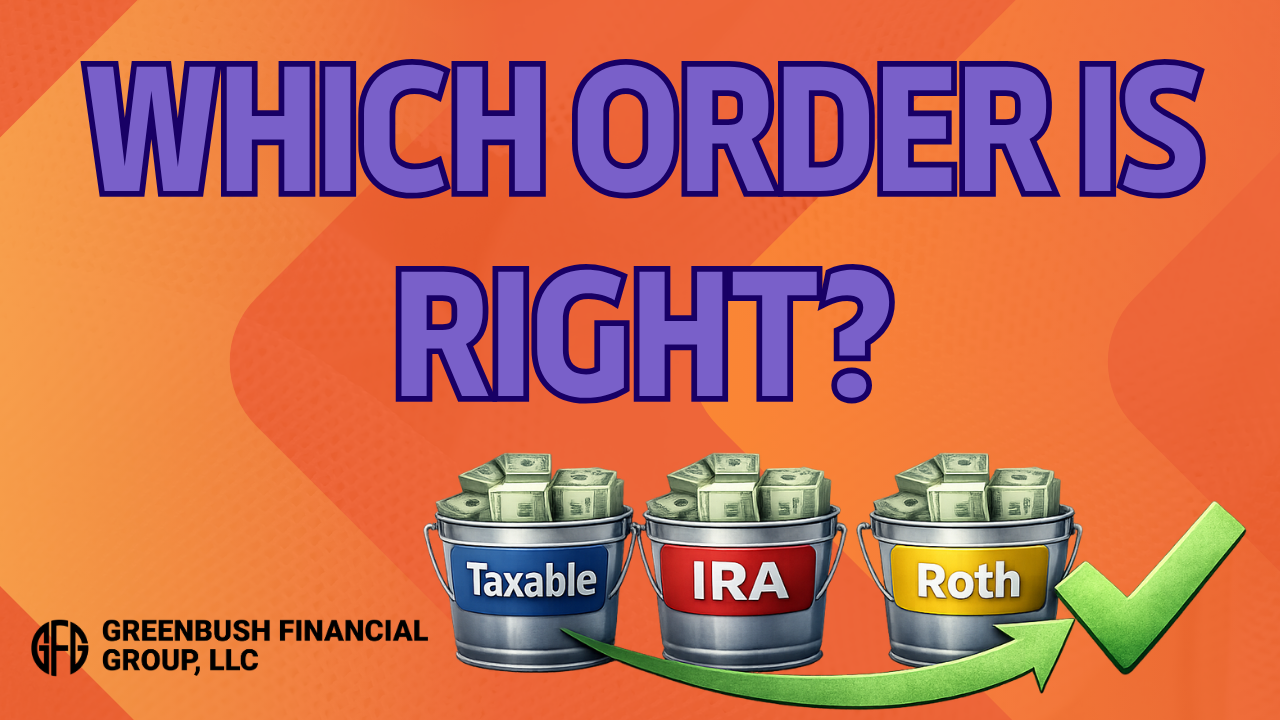
A tax-efficient retirement withdrawal strategy focuses on minimizing taxes while creating consistent income throughout retirement. The order in which you withdraw from taxable, tax-deferred, and Roth accounts can significantly impact how long your money lasts. At Greenbush Financial Group, our analysis shows that strategic withdrawals can reduce lifetime taxes and increase net retirement income.
A Solo 401(k) offers business owners and side hustlers a powerful way to reduce taxable income and accelerate retirement savings. This guide explains contribution limits, tax strategies, and how to choose between pre-tax and Roth contributions in 2026. Learn how to build a tax-efficient retirement plan and potentially eliminate income taxes on self-employment income. Discover why Solo 401(k) plans can outperform SEP IRAs in many cases.
Many FIRE investors overuse tax-deferred accounts without realizing the long-term consequences. Learn how to avoid this common tax trap and build a more flexible early retirement strategy.
Selling a home to a family member involves more than just agreeing on a price. This guide explains tax implications, gift rules, cost basis considerations, and seller financing strategies. Learn how fair market value, the primary residence exclusion, and the Applicable Federal Rate impact your decision. Understand how to structure the transaction to avoid unintended tax consequences. Ideal for parents helping children navigate today’s housing market.
Health Savings Accounts offer tax-free withdrawals for qualified medical expenses in retirement, but understanding eligibility rules is critical. This guide explains which expenses qualify, including Medicare premiums, dental, vision, and out-of-pocket costs. It also covers non-eligible expenses and key withdrawal rules before and after age 65. Use this resource to avoid costly HSA mistakes and maximize your retirement healthcare strategy.
Health Savings Account (HSA) withdrawals have different tax and penalty rules depending on age and how funds are used. This guide explains the four distribution scenarios, tax treatment before and after age 65, and advanced strategies to maximize tax-free benefits. Learn how HSAs can serve as a powerful retirement healthcare tool and how to avoid common withdrawal mistakes. Ideal for pre-retirees planning tax-efficient income strategies.
If you inherited an IRA or other retirement account from a non-spouse after December 31, 2019, the SECURE Act’s 10-year rule may create a major tax event in 2030. Many beneficiaries don’t realize how much the account can grow during the 10-year window—potentially forcing large taxable withdrawals if they wait until the final year. In this article, we explain how the 10-year rule works, why 2030 is a high-risk tax year, and planning strategies that can reduce the tax hit long before the deadline arrives.
Trump Accounts are a new retirement savings vehicle created under the 2025 tax reform that allow parents, grandparents, and even employers to contribute up to $5,000 per year for a minor child — even if the child has no earned income. In this article, we explain how Trump Accounts work, contribution limits, tax rules, planning opportunities, and the key considerations to understand before opening one.
The IRS allows grandparents to give up to $19,000 per grandchild in 2025 without filing a gift tax return, and up to $13.99 million over their lifetime before any tax applies. Gifts are rarely taxable for recipients — but understanding Form 709, 529 plan rules, and tuition exemptions can help families transfer wealth efficiently and avoid IRS issues.