By Michael Ruger, CFP®
Partner and Chief Investment Officer at Greenbush Financial Group
Becoming self-employed can be one of the most rewarding career moves you’ll ever make. It comes with flexibility, independence, and the ability to control your own destiny. But it also comes with new responsibilities—particularly when it comes to taxes. One of the first financial hurdles new business owners encounter is understanding self-employment tax and how to keep up with their tax obligations throughout the year.
For business owners learning these rules for the first time, here is the step-by-step breakdown of what you need to know.
What Is Self-Employment Tax?
When you work as an employee and receive a W-2, your employer withholds Social Security and Medicare taxes from your paycheck. What many don’t realize is that your employer is paying half of those taxes on your behalf.
When you’re self-employed, however, you are both the employer and the employee. That means you’re responsible for the full 15.3% self-employment tax (12.4% for Social Security and 2.9% for Medicare) on your net earnings. If your income is above certain thresholds, an additional 0.9% Medicare surtax may apply.
This tax is in addition to federal and state income taxes, which makes planning ahead critical.
Estimated Tax Payments and Deadlines
Unlike W-2 employees, there’s no paycheck system automatically sending taxes to the government for you. The IRS expects you to make quarterly estimated tax payments. These payments cover both your income tax liability and your self-employment tax.
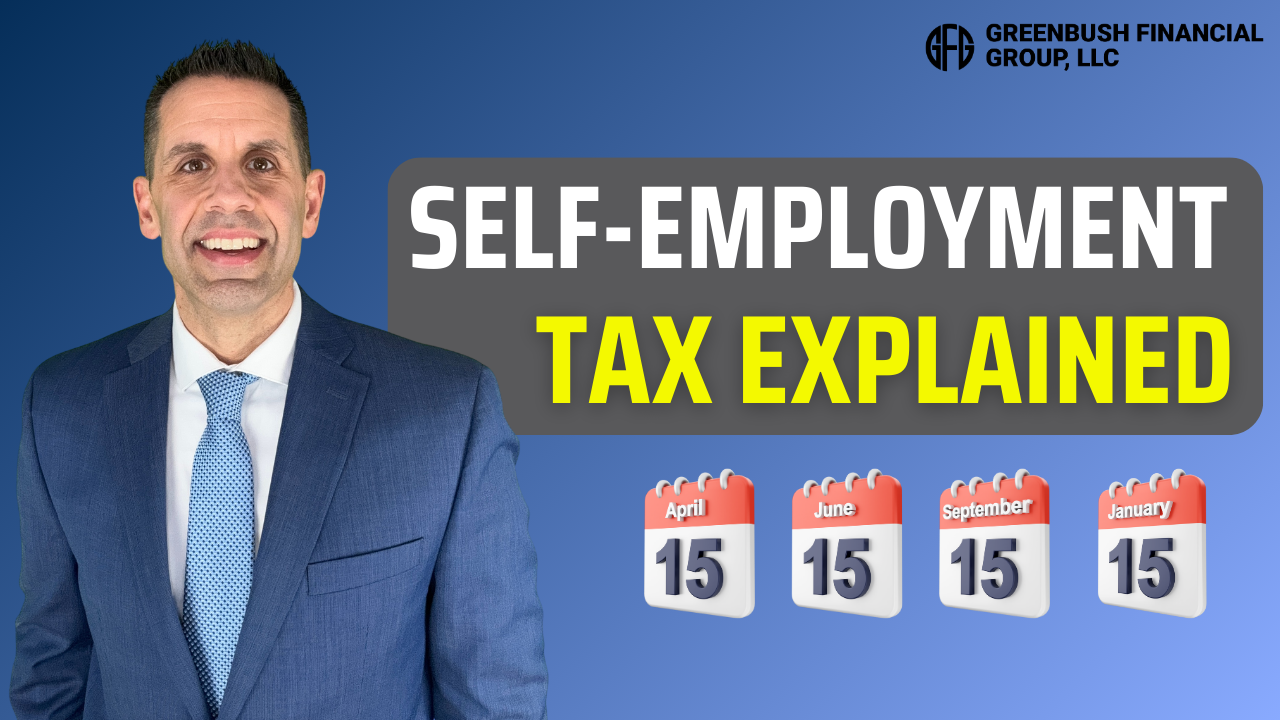
The deadlines for estimated tax payments are:
April 15 – for income earned January 1 through March 31
June 15 – for income earned April 1 through May 31
September 15 – for income earned June 1 through August 31
January 15 (of the following year) – for income earned September 1 through December 31
If the due date falls on a weekend or holiday, the deadline shifts to the next business day.
How Are Estimated Taxes Calculated?
The IRS gives you two main methods for calculating estimated taxes, sometimes called the “safe harbor” rules:
Prior-Year Method (110% Rule)
If your adjusted gross income was more than $150,000 in the previous year (or $75,000 if single), you can avoid penalties by paying 110% of your prior year’s total tax liability in equal quarterly installments.
If your income was below those thresholds, the requirement is 100% of your prior year’s tax liability.
Current-Year Method
Alternatively, you can calculate your actual expected tax liability for the current year and make payments to cover 90% of that amount.
What Happens If You Don’t Pay Estimated Taxes?
Failing to make estimated tax payments can lead to IRS penalties. These are generally underpayment penalties, calculated based on the amount you should have paid each quarter compared to what you actually paid.
In addition to penalties, you’ll still owe the unpaid taxes at year-end. This often creates a cash flow crisis for new self-employed individuals who didn’t set money aside during the year.
The IRS does offer some relief if:
You owe less than $1,000 in tax after subtracting withholding and credits, or
You paid at least 90% of your current-year tax liability (or 100%/110% of your prior year’s tax liability, depending on income).
Still, the safest strategy is to set aside a portion of each payment you receive for taxes and make your estimated payments on time.
How IRS Penalties Are Calculated?
The IRS calculates underpayment penalties using two key components:
Amount of Underpayment – The penalty is based on how much you should have paid each quarter versus how much you actually paid.
Time Period of Underpayment – The penalty is essentially interest charged on the shortfall, starting from the due date of the missed payment until the date you make it.
The interest rate used is tied to the federal short-term interest rate plus 3%. This rate changes quarterly, so the penalty amount can vary depending on when the shortfall occurred.
For example:
If you owed $4,000 in estimated payments for a quarter but only paid $2,000, the IRS considers the $2,000 shortfall late.
Interest is charged daily on the unpaid portion until you make up the difference or file your return.
While penalties may seem small at first, they add up quickly—especially if you consistently underpay throughout the year.
Why Taxes Become More Complex When You’re Self-Employed
For most W-2 employees, tax filing is relatively straightforward—gather a W-2 or two, maybe add a few deductions, and you’re done. For the self-employed, the process quickly becomes more involved:
Tracking business expenses for deductions (supplies, mileage, home office, etc.).
Paying both sides of Social Security and Medicare taxes.
Dealing with quarterly estimated payments.
Understanding rules around depreciation, retirement plan contributions, and health insurance deductions.
Because of these added layers, we strongly recommend engaging an experienced accounting firm or tax professional, especially in your first few years. This not only ensures compliance but also frees up your time to focus on building your business instead of spending evenings trying to interpret the tax code.
Final Thoughts
Transitioning from employee to self-employed entrepreneur comes with an exciting new level of independence—but it also requires discipline. Understanding self-employment tax, staying on top of quarterly estimated payments, and planning ahead for income tax can help you avoid costly surprises at year-end.
Working with a qualified tax professional or financial planner can help you estimate payments accurately, maximize deductions, and keep your business finances running smoothly.
Remember: as a self-employed individual, you are your own payroll department. Treating taxes like a regular business expense is the best way to stay ahead and protect your financial success.

About Michael……...
Hi, I’m Michael Ruger. I’m the managing partner of Greenbush Financial Group and the creator of the nationally recognized Money Smart Board blog . I created the blog because there are a lot of events in life that require important financial decisions. The goal is to help our readers avoid big financial missteps, discover financial solutions that they were not aware of, and to optimize their financial future.
Frequently Asked Questions (FAQs)
What is self-employment tax, and who has to pay it?
Self-employment tax covers both the employee and employer portions of Social Security and Medicare taxes, totaling 15.3%. Anyone earning $400 or more in net self-employment income must generally pay this tax, in addition to regular income taxes.
How often do self-employed individuals have to pay taxes?
The IRS requires quarterly estimated tax payments to cover both income and self-employment taxes. Payments are typically due April 15, June 15, September 15, and January 15 of the following year.
How can I calculate my estimated tax payments?
You can use the “safe harbor” rules: pay 100% of your prior year’s tax liability (110% if your income was over $150,000) or 90% of your current year’s expected tax liability. These methods help avoid IRS underpayment penalties.
What happens if I don’t make estimated tax payments?
Missing payments or underpaying can result in IRS penalties and interest, calculated based on how much you underpaid and for how long. Even if penalties apply, you’ll still owe the unpaid taxes at year-end.
How are IRS penalties for underpayment calculated?
Penalties function like interest, accruing daily on any shortfall from the payment due date until it’s paid. The rate is the federal short-term interest rate plus 3%, adjusted quarterly.
Why is tax planning more complex for self-employed individuals?
Self-employed taxpayers must track deductible expenses, manage quarterly payments, pay both sides of payroll taxes, and navigate complex deductions like home office or retirement contributions. Professional guidance can simplify compliance and help maximize deductions.
What’s the best way to stay on top of taxes when self-employed?
Set aside a portion of every payment you receive for taxes, make quarterly estimated payments on time, and work with a tax professional to stay compliant. Treating taxes as a regular business expense helps prevent surprises at year-end.