Health Care Costs in Retirement
Planning for One of the Largest (and Most Complex) Retirement Expenses
Health care is one of the highest costs retirees will face, and for many individuals it can be as large, or even larger, than a mortgage payment. While most people focus on paying off debt, saving for retirement, and selecting Social Security filing strategies, preparing for health care costs is equally critical. Medical expenses tend to rise over time, and the inflation rate for health care has outpaced general inflation in recent years.
When planning for health care in retirement, the strategies differ dramatically depending on whether someone retires before age 65 (before Medicare eligibility) or at age 65 and later. Those retiring early must evaluate options such as COBRA or ACA marketplace coverage, while those 65 and older can enroll in Medicare and select from multiple coverage paths.
At Greenbush Financial Group, we help clients evaluate all available options, understand coverage rules, enrollment deadlines, and plan proactively so health care expenses do not become an unexpected burden in retirement.
Key Components of Health Care Planning in Retirement
We help clients evaluate four major forms of retirement health care coverage:
Medicare
Exchange Coverage (ACA Marketplace Plans)
COBRA Coverage
Retiree Health Benefits from a Former Employer
Each option has different costs, coverage levels, enrollment timelines, and long-term planning implications.
Health Care Planning for Those Retiring Before Age 65
Individuals who retire prior to age 65 must bridge the gap before Medicare eligibility begins. This period often requires detailed planning because costs can be high and coverage varies.
Common pre-Medicare options include:
COBRA Coverage
Allows retirees to remain on their employer’s health plan for 18–36 months, typically at full cost plus a small administrative fee. This option is often more expensive but provides comprehensive, familiar coverage.
ACA Marketplace (Exchange) Plans
A wide range of coverage levels and premiums based on income. Retirees sometimes qualify for premium tax credits if income is low enough, which requires intentional planning around withdrawals and distributions.
Retiree Health Benefits (Employer-Sponsored)
Some employers offer retiree medical benefits. Coverage, premiums, and duration vary by plan, and these benefits can significantly reduce early-retirement health care expenses.
We assist clients in modeling their options, comparing the total cost of each plan, and integrating these decisions into their broader financial projections.
Health Care Planning for Individuals Retiring at Age 65 and Later
Once retirees reach age 65, they become eligible for Medicare, which has its own rules, enrollment deadlines, coverage tiers, and cost structure. Also, select Medicare Supplemental (Medigap) or Medicare Advantage coverage is one of the most important decisions retirees make and requires a clear understanding of their health care needs and financial goals.
A Brief Overview of Medicare Coverage
Medicare includes several components:
Part A (Hospital Insurance)
Part B (Medical Insurance)
Part D (Prescription Drug Coverage)
Medigap (Medicare Supplement Insurance)
Medicare Advantage (Part C)
For most retirees, the biggest decision is choosing between:
1. Medicare Supplement (Medigap) Plans
Private insurance that supplements Original Medicare (A & B).
Medigap plans:
Allow you to see any provider that accepts Medicare
Offer predictable out-of-pocket costs
Tend to have higher premiums
Do not include prescription coverage (requires a separate Part D plan)
2. Medicare Advantage Plans (Part C)
All-in-one plans that often include prescription drug coverage.
Medicare Advantage plans:
Operate through provider networks (HMO/PPO)
Often have lower premiums
Include drug coverage within the plan
May require referrals or network restrictions
Choosing between Medigap and Advantage is a highly individualized decision based on health, provider preferences, travel plans, prescription needs, and budget.
IRMAA: How Income Affects Medicare Premiums
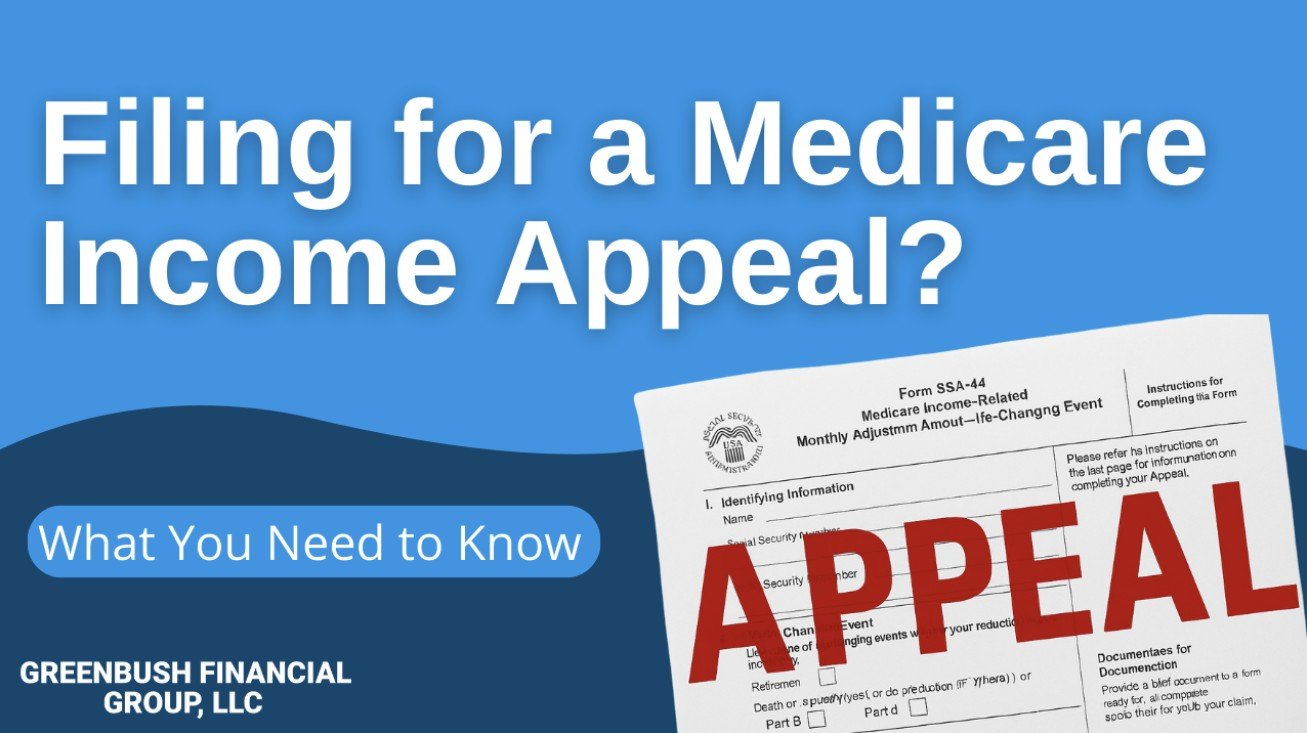
Medicare Part B and Part D premiums increase based on retirement income levels through a system known as the Income-Related Monthly Adjustment Amount (IRMAA). Higher income results in higher Medicare premiums.
This is a critical planning consideration because income levels can fluctuate due to:
Required Minimum Distributions (RMDs)
Roth conversions
Capital gains
Social Security taxation
Pension income
Advanced planning helps retirees avoid unnecessary IRMAA surcharges and better manage long-term health care costs.
Special Considerations for Married Couples
Health care planning becomes even more complex when spouses retire at different times. Key questions include:
Should the spouse turning 65 enroll in Medicare immediately?
Is the working spouse’s employer plan better or more cost-effective?
Can the retiree remain on the working spouse’s group coverage?
How do income levels affect IRMAA for the couple?
How do their different ages impact Social Security timing, HSA eligibility, and withdrawal strategies?
Each spouse’s coverage decision has financial implications for the household.
We help couples navigate these decisions to ensure seamless, cost-effective coverage.
How We Help Clients Plan for Health Care in Retirement
At Greenbush Financial Group, we help clients:
Understand the Medicare enrollment process
Evaluate Medigap vs. Medicare Advantage plans
Analyze early-retirement coverage options (COBRA, ACA exchange, employer retiree plans)
Project long-term health care and insurance costs
Plan for IRMAA surcharges and income thresholds
Integrate health care costs into retirement projections
Work through coverage decisions for couples retiring at different times
Our goal is to eliminate surprises and ensure health care costs are properly accounted for long before retirement begins.
Health care is one of the largest—and most unpredictable—expenses in retirement. Working with a planner knowledgeable in Medicare and retirement health care helps ensure you’re protected.




Our Health Care Blog Articles




“Needed some clarification about pension benefits, emailed Michael overnight and got a quick response the next morning. Normally, this doesn’t happen. I highly recommend Greenbush Financial Group. ⭐⭐⭐⭐⭐”
This endorsement provided for Greenbush Financial Group, LLC on Google Review was made by a non-client, and it was a non-paid review. This non-client was solicited by Greenbush Financial Group, LLC to provide the endorsement.
“I found out about Michael reading his expose about Medicare supplemental plans. Of everything I have read, his piece was the most efficacious, informative, and easy to understand. As a matter of fact, I followed up with a call, and even though he didn’t make a cent off me…he willingly spent time at the end of his day, talking me through some of my specific issues, and answered a slough of questions I had about Medigap Plans and the advantages of one choice over another. I would trust Michael with any endeavor for which I needed help…finances, insurance, retirement planning. Thank you Michael! (Cat) ⭐⭐⭐⭐⭐”
This endorsement provided for Greenbush Financial Group, LLC on Google Review was made by a non-client, and it was a non-paid review. This non-client was solicited by Greenbush Financial Group, LLC to provide the endorsement.
“I’ve had two enlightening consultations with Michael Ruger. He’s very knowledgeable and great at adapting his insights to your specific circumstance and questions. He’s also friendly and easy to talk to. I’m happy to have found him.⭐⭐⭐⭐⭐”
This endorsement provided for Greenbush Financial Group, LLC on Google Review was made by a non-client, and it was a non-paid review. This non-client was solicited by Greenbush Financial Group, LLC to provide the endorsement.


“Love how you walked through the IRMAA chart step‑by‑step with real dollar examples”
This endorsement provided for Greenbush Financial Group, LLC on YouTube was a non-solicited and non-paid comment by a non-client.
“I definitely learned a few things. Thanks for sharing.”
This endorsement provided for Greenbush Financial Group, LLC on YouTube was a non-solicited and non-paid comment by a non-client.
“Man this is a great video. I learned a lot. I almost signed up for an advantage plan. Found out my primary doctor wasn’t part of the HMO network”
This endorsement provided for Greenbush Financial Group, LLC on YouTube was a non-solicited and non-paid comment by a non-client.
“It is important for people to know the differences before making their coverage decision. Thanks for posting”
This endorsement provided for Greenbush Financial Group, LLC on YouTube was a non-solicited and non-paid comment by a non-client.
Frequently Asked Questions: Health Care Costs in Retirement
-
What are the major health care costs I should expect in retirement?Retirees typically face costs for Medicare premiums, supplemental insurance, prescription drugs, dental and vision care, long-term care, and out-of-pocket medical expenses. For those retiring before 65, COBRA, ACA marketplace premiums can be significant.
-
How do I get health insurance if I retire before age 65?If you retire before Medicare eligibility, your primary options include COBRA, ACA marketplace (exchange) coverage, employer retiree health benefits, or a spouse’s employer plan. Each option has different costs and enrollment rules.
-
What is the difference between Medicare Supplement (Medigap) and Medicare Advantage plans?Medigap provides predictable costs and freedom to see any Medicare-accepting provider. Medicare Advantage offers lower premiums but uses HMO/PPO networks with varying out-of-pocket limits. The best choice depends on your health needs and provider preferences.
-
What is IRMAA and how does it affect my Medicare premiums?IRMAA (Income-Related Monthly Adjustment Amount) increases Medicare Part B and Part D premiums for higher-income retirees. Because it’s based on modified adjusted gross income, tax and withdrawal strategies can help manage or reduce IRMAA costs.
-
How much do retirees typically spend on health care each year?Health care can cost retirees several hundred to several thousand dollars monthly, depending on coverage type, prescription needs, and whether they are pre-65 or on Medicare. Costs often rival or exceed a mortgage payment.
-
Should my spouse enroll in Medicare if we retire at different times?It depends. If one spouse is still working, employer coverage may offer better value. If not, the spouse turning 65 may need to enroll in Medicare to avoid penalties. Coordination is key for mixed-age couples.
-
Does health care inflation affect retirement planning?Yes. Health care inflation has historically exceeded general inflation, meaning retirees must plan for rising premiums, prescription costs, and medical expenses.
-
How can a financial planner help with retirement health care decisions?A knowledgeable planner can help you compare Medicare Advantage vs. Medigap, evaluate ACA vs. COBRA, project long-term costs, plan for IRMAA, coordinate spousal coverage, and integrate health care expenses into your retirement income strategy.
Contact Us . . . .

All of our services start with a complimentary consult. No high pressure sales tactics. We are financial planners, not salesmen.
About Our Firm: Greenbush Financial Group is an independent registered investment advisory firm based in Albany, New York, that provides four main services to clients: fee-based financial planning services, investment management, employer-sponsored retirement plans, and retirement planning services. The firm serves clients locally in the Albany region and virtually across the United States.