Distribution Strategies in Retirement
Turning Savings Into Sustainable, Tax-Efficient Retirement Income
For some retirees, the key question is not “Do I have enough to retire?”
Instead, it becomes:
“How do I create a withdrawal strategy that maximizes my wealth, minimizes taxes, and supports my lifestyle throughout retirement?”
At Greenbush Financial Group, we develop custom distribution strategies for clients, also known as retirement withdrawal strategies, that help clients manage their income in a way that optimizes after-tax wealth over their entire lifetime. A thoughtful distribution strategy can reduce taxes, avoid costly RMD surprises, lower Medicare premiums, support legacy goals, and ensure savings last as long as needed.
A successful retirement is not only about accumulating assets — it’s about distributing them intelligently.
What Is a Distribution Strategy?
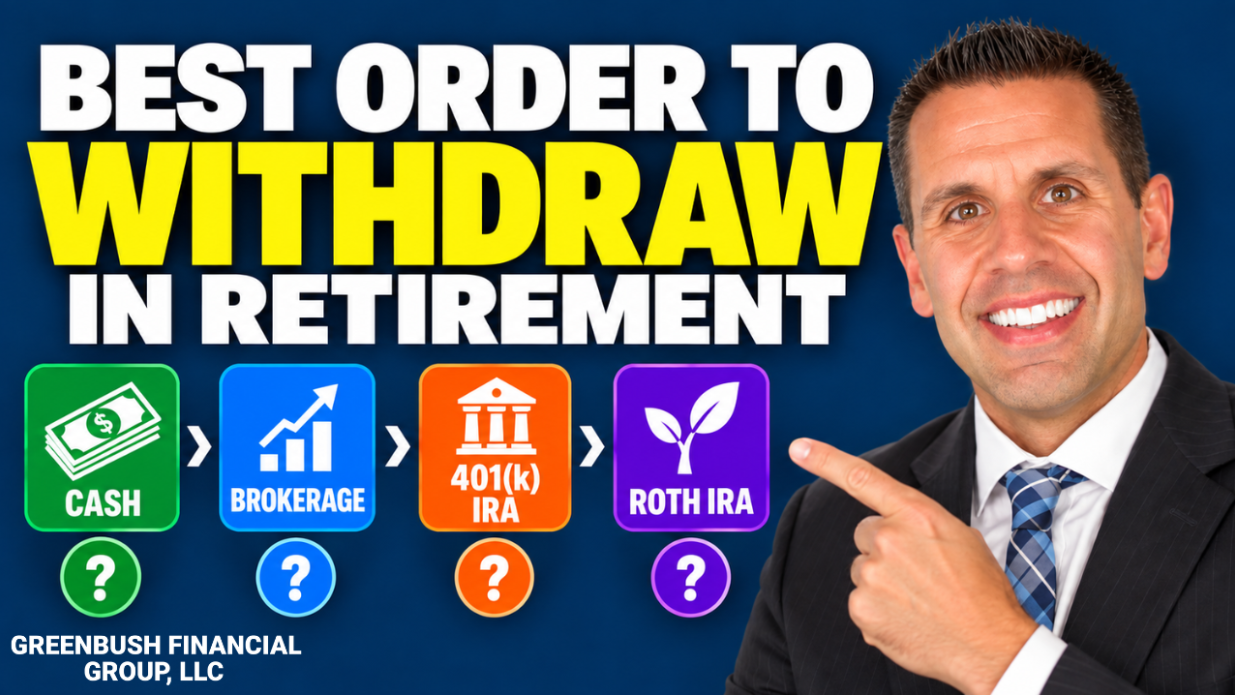
A distribution strategy is a coordinated plan that determines which accounts you withdraw from, in what order, and at what pace during retirement. It integrates tax rules, income needs, inflation, healthcare, Social Security, and long-term financial objectives.
Most retirees hold assets across several account types:
Pre-tax accounts (Traditional IRAs, 401(k)s, 403(b)s)
After-tax brokerage accounts
Roth IRAs / Roth 401(k)s
Life Insurance & Annuities
Cash reserves and savings accounts
Each account is taxed differently — which means the sequence of withdrawals matters.
Without a coordinated plan, retirees can unintentionally increase their lifetime tax bill and reduce long-term wealth.
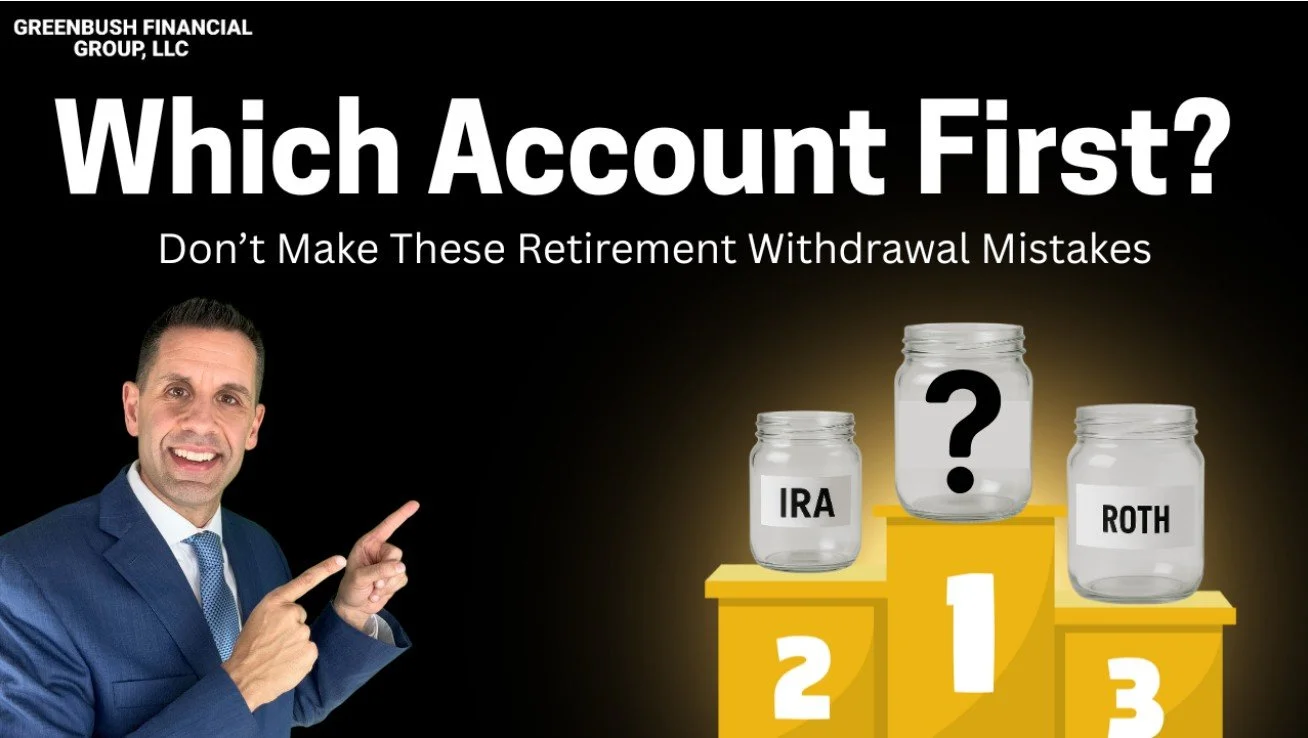
Why Withdrawal Order Matters
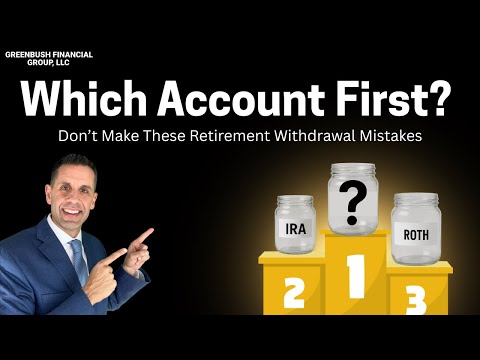
A common mistake retirees make is withdrawing primarily from their after-tax brokerage accounts first, while leaving pre-tax accounts untouched for years. This approach can lead to:
Large pre-tax balances continuing to grow
Significant Required Minimum Distributions (RMDs) later in life
Higher Medicare premiums (IRMAA surcharges)
Higher tax brackets in the later years of retirement
Less flexibility for Roth conversions
Less tax favorable wealth transfers to heirs
Integrating Roth Conversions Into the Strategy
Roth conversions are a powerful tool in retirement distribution planning.
Converting funds from pre-tax accounts into Roth accounts can:
Reduce future RMDs
Lower long-term federal and state tax exposure
Preserve tax-free growth
Provide tax-free withdrawals in retirement
Support tax-efficient wealth transfer to heirs
A well-designed distribution strategy evaluates when conversions make sense and how they interact with Social Security, pensions, investment income, and Medicare thresholds.
Factors That Influence Your Distribution Strategy
Every retiree’s distribution plan is unique. The strategy depends on:
How much you need to withdraw each year
Social Security filing age and benefit amount
Pension or annuity income
Healthcare costs and insurance coverage
Age for Required Minimum Distributions
Roth conversion opportunities
Income tax brackets now vs. later
Medicare IRMAA thresholds
Long-term spending goals (travel, housing, family support)
Legacy and estate planning objectives
The goal is to minimize lifetime taxes, not just reduce taxes in any single year.
Creating a Customized Withdrawal Plan
Within our retirement projections for clients, we design personalized distribution strategies by:
Modeling several withdrawal sequences
Coordinating after-tax, pre-tax, and Roth accounts
Identifying years with lower income for strategic Roth conversions
Evaluating the impact of withdrawals on Medicare premiums
Projecting RMD amounts and smoothing taxable income
Integrating Social Security timing
Ensuring income keeps pace with inflation
Testing different assumed rates of return and longevity scenarios
Next Step
If you're approaching retirement—or already retired—now is the time to develop a tax-efficient, personalized distribution strategy that supports your lifestyle and protects your long-term wealth.
A thoughtful withdrawal plan helps ensure your retirement savings last longer, cost less in taxes, and align with your goals.





Our Distribution Strategy Blog Articles


“Very knowledgeable and helpful!⭐⭐⭐⭐⭐”
This endorsement provided for Greenbush Financial Group, LLC on Google Review was made by a non-client, and it was a non-paid review. This non-client was solicited by Greenbush Financial Group, LLC to provide the endorsement.
“Awesome group, answered my questions w clear understanding and led my on the right path! Thank you Michael ⭐⭐⭐⭐⭐”
This endorsement provided for Greenbush Financial Group, LLC on Google Review was made by a non-client, and it was a non-paid review. This non-client was solicited by Greenbush Financial Group, LLC to provide the endorsement.
“I sent Michael a question via email after watching one of his YouTube videos. He precisely answered my question in less than 30 minutes, and his answer was completely direct, clear and complete. Awesome job Michael! ⭐⭐⭐⭐⭐”
This endorsement provided for Greenbush Financial Group, LLC on Google Review was made by a non-client, and it was a non-paid review. This non-client was solicited by Greenbush Financial Group, LLC to provide the endorsement.
“I recently had a wonderful experience speaking with Michael from Greenbush Fianncial Group. He was attentive, professional, and genuinely interested in my financial goals. He explained complex concepts clearly and made me feel confident about my financial future. He also connected me with his colleague Chris, demonstrating his commitment to building strong relationships. I highly recommend Greenbush Financial Group for the overall expertise and personable approach. ⭐⭐⭐⭐⭐”
This endorsement provided for Greenbush Financial Group, LLC on Google Review was made by a non-client, and it was a non-paid review. This non-client was solicited by Greenbush Financial Group, LLC to provide the endorsement.


“I’ve reviewed a number of videos on this subject. This is one of the best I’ve seen. Direct, to the point, and covers most of the important factors in what is a pretty complicated decision for most retirees. Thanks for the excellent presentation.”
This endorsement provided for Greenbush Financial Group, LLC on YouTube was a non-solicited and non-paid comment by a non-client.
“OK. I’ve listened to a dozen or so Roth presentations. This guy’s INFORMATION is outstandingly to-the-point, ACCURATE, and impactful - he covers all the relevant topics. EXCELLENT. I almost made the mistake of skipping it because it was plain (not “slick”). Top quality. Fine. Thank you.”
This endorsement provided for Greenbush Financial Group, LLC on YouTube was a non-solicited and non-paid comment by a non-client.
“WOW, this is the video I have been looking for. I am 59 and sent into retirement as a widow. So, right, I need a tax advisor.”
This endorsement provided for Greenbush Financial Group, LLC on YouTube was a non-solicited and non-paid comment by a non-client.
“Awesome information. Very direct and easy to understand. It’s given me a lot to think about. Thank you.”
This endorsement provided for Greenbush Financial Group, LLC on YouTube was a non-solicited and non-paid comment by a non-client.
Frequently Asked Questions About Retirement Distribution Strategies
-
Why is withdrawal order so important in retirement?Because different accounts are taxed differently, the order of withdrawals directly impacts your tax bracket, RMDs, Medicare premiums, and long-term wealth.
-
Should I withdraw from taxable accounts first?Not always. This common strategy can lead to very high RMDs later and larger tax bills. A coordinated withdrawal plan is usually more efficient.
-
How do Roth conversions fit into my distribution strategy?Roth conversions can reduce future RMDs and create tax-free income later in retirement. They are often most effective in early retirement years before RMDs and Social Security begin.
-
How do RMDs affect my withdrawal plan?RMDs can significantly raise taxable income. Planning ahead—by smoothing withdrawals or performing Roth conversions—can minimize the impact.
-
Does my Social Security filing age affect withdrawal strategy?Yes. It influences your annual income level, which affects tax brackets, Roth conversion opportunities, and overall withdrawal order.
-
Can a withdrawal strategy reduce my Medicare premiums?Yes. By avoiding large spikes in income, you can stay below IRMAA thresholds and avoid higher Medicare Part B and Part D premiums.
-
Should I change my withdrawal strategy every year?It’s wise to review it annually. Market performance, tax laws, and personal circumstances change, and your plan should be updated accordingly.
-
How do I know if my withdrawal plan will last my entire retirement?We model your plan across multiple scenarios—including inflation, longevity, assumed rates of return, and unexpected expenses—to ensure sustainability.
Contact Us . . . .

All of our services start with a complimentary consult. No high pressure sales tactics. We are financial planners, not salesmen.
About Our Firm: Greenbush Financial Group is an independent registered investment advisory firm based in Albany, New York, that provides four main services to clients: fee-based financial planning services, investment management, employer-sponsored retirement plans, and retirement planning services. The firm serves clients locally in the Albany region and virtually across the United States.